International Festival of Intangible Cultural Heritage
Introduction
The International Festival of Intangible Cultural Heritage is a biennial event that celebrates and promotes the preservation and appreciation of intangible cultural heritage. Held in Chengdu, Sichuan province, China, the festival draws participants from over 100 countries, offering a platform for cultural exchange and showcasing a diverse range of cultural expressions. The festival includes activities such as forums, demonstrations, exhibitions, and performances that highlight the significance of intangible cultural heritage in preserving cultural identity and fostering international understanding. The event is organized under the patronage of the Ministry of Culture and Tourism, the Sichuan Provincial Government, and the China National Commission for UNESCO, providing a collaborative framework for the safeguarding and promotion of intangible cultural heritage globally.
History
The International Festival of Intangible Cultural Heritage was first held in May 2007 in Chengdu, marking the beginning of a biennial celebration of cultural traditions and practices. The festival was initiated following the adoption of the UNESCO Convention for the Safeguarding of the Intangible Cultural Heritage on October 17, 2003, which emphasized the importance of protecting cultural expressions that are at risk of being lost due to rapid industrialization and urbanization. Over the years, the festival has grown in scale and scope, becoming a prominent event that attracts cultural practitioners, scholars, and enthusiasts from around the world. The festival not only showcases cultural heritage items but also serves as a platform for discussing strategies for their preservation and transmission to future generations.
Objectives
The primary objectives of the International Festival of Intangible Cultural Heritage are to promote awareness and appreciation of intangible cultural heritage, facilitate cultural exchange, and support the safeguarding of cultural practices and traditions. The festival aims to provide a platform for cultural practitioners to showcase their skills and knowledge, fostering a deeper understanding of diverse cultural expressions. Additionally, the festival seeks to encourage the development of cultural tourism and explore the role of intangible cultural heritage in poverty alleviation and community development. By bringing together participants from various cultural backgrounds, the festival promotes dialogue and cooperation, contributing to the global efforts to preserve and celebrate humanity's cultural diversity.
Activities
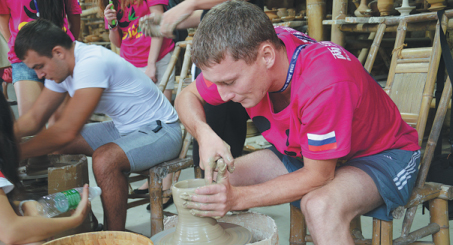
The International Festival of Intangible Cultural Heritage offers a wide range of activities that highlight the richness and diversity of cultural expressions. These activities include performances, workshops, and exhibitions that provide opportunities for participants and visitors to engage with different aspects of intangible cultural heritage.
Participants
The International Festival of Intangible Cultural Heritage attracts a diverse range of participants, including cultural practitioners, scholars, government officials, and enthusiasts from over 100 countries. These participants bring their unique cultural expressions and expertise to the festival, contributing to a vibrant exchange of ideas and experiences. The festival provides an opportunity for participants to showcase their cultural heritage, share knowledge and skills, and engage in discussions about the challenges and opportunities for preserving intangible cultural heritage. Additionally, the festival fosters collaboration and networking among participants, facilitating the development of partnerships and initiatives for cultural preservation and promotion.
Impact
The International Festival of Intangible Cultural Heritage has had a significant impact on raising awareness and appreciation of intangible cultural heritage, both within China and globally. The festival has contributed to the preservation and promotion of cultural traditions by providing a platform for cultural practitioners to showcase their work and engage with audiences. It has also facilitated cultural exchange and dialogue, promoting mutual understanding and cooperation among participants from diverse cultural backgrounds. The festival's focus on cultural tourism and poverty alleviation has highlighted the potential of intangible cultural heritage to contribute to sustainable development and community well-being. Furthermore, the festival has inspired initiatives and policies aimed at safeguarding intangible cultural heritage, reinforcing its importance as a vital component of cultural identity and diversity.








